Group history
What a named Starneth legal entity was contracted to do, on a named project, in a stated period. Attributed to the entity that held the contract — not to the brand in general, and not to whichever entity exists today.

Landmark projects are bought by people who are personally accountable for the decision. They do not need to be impressed. They need to be able to check what they are told.
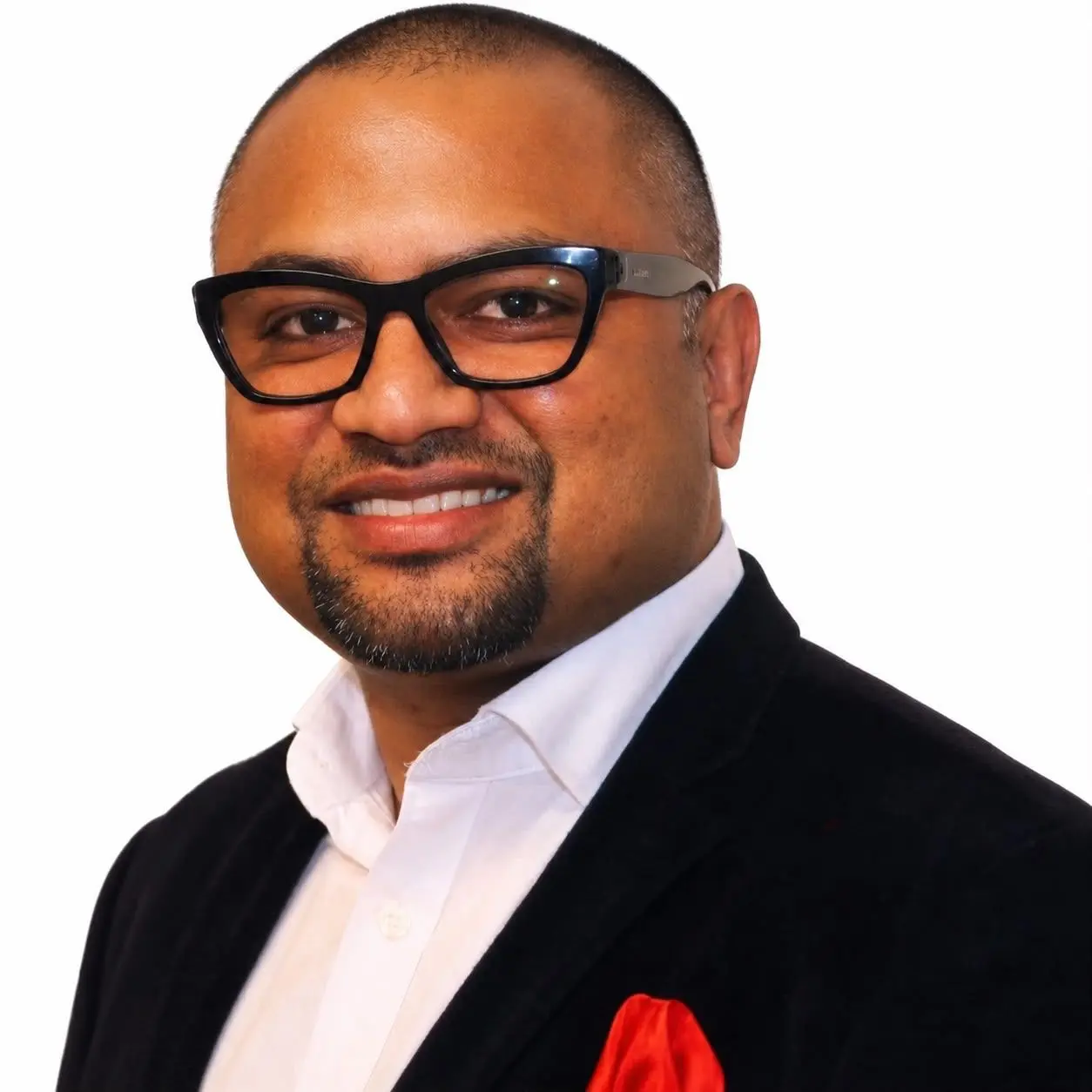
Managing Director, Starneth India Private Limited
Dr. Zama leads Starneth India's national strategy, institutional partnerships and delivery platform for landmark observation-wheel destinations.
As Managing Director, he aligns Indian project development with international engineering capability while maintaining clear governance, city-level accountability and long-term destination value.
Engineering firms routinely merge company history, the careers of individual staff and local delivery capability into a single impression. It reads well and it does not survive diligence. We keep them apart, in our documents and on this site.
What a named Starneth legal entity was contracted to do, on a named project, in a stated period. Attributed to the entity that held the contract — not to the brand in general, and not to whichever entity exists today.
What a named person did, at a named employer, on a named project. It belongs to that person and travels with them. It is never presented as company scope, and it is only published with that person's consent and evidence of the role.
What this practice can itself do here — engineering, supplier qualification, erection engineering, commissioning support and lifecycle work, executed with an Indian supply chain and under Indian conditions.
Where we cannot evidence something to that standard, it does not appear here. That is why this site is smaller than it could be, and why what is on it can be checked.
Engineering judgement is not a matter of opinion at this scale. A load path either closes or it does not; a fatigue life either meets the design requirement or it does not; a certification body either accepts the evidence or it does not. We would rather have that conversation early, when the answers are cheap.
In practice this means we push hard on the questions that clients often defer: what the ground investigation actually says, what the governing wind case implies for operating availability, how large a component can physically reach the site, and which body will assess the evidence.
None of those questions slow a project down. They move the expensive decisions to the period when changing them costs a drawing rather than a season.
Indian fabrication is entirely capable of supporting a landmark wheel. Realising that takes engineering effort well ahead of the first cut plate.
Our operating model assumes a regional supply chain rather than an imported one. That changes what the engineering has to produce: fabrication packages sized to real supplier capability, acceptance criteria a fabricator can be held to, and a qualification process that starts long before a tender closes.
It also changes how we work with clients. A local content requirement introduced as a procurement condition, without that preparation, simply transfers a technical problem to a bidder who cannot solve it inside the tender period. Doing the preparation is the work.